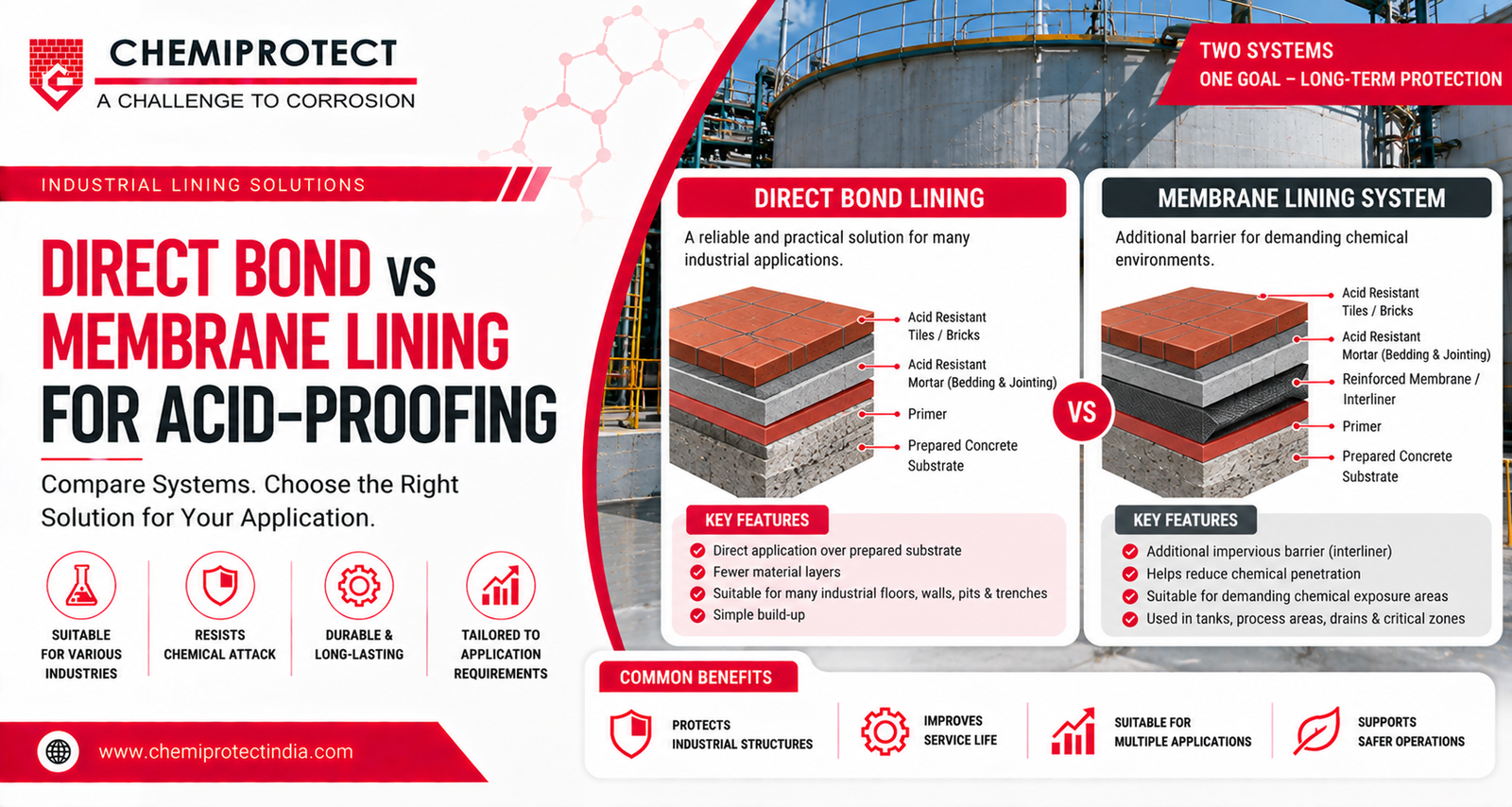
Why Is Urethane Concrete Flooring Used in Food and Industrial Areas?
Why Is Urethane Concrete Flooring Used in Food and Industrial Areas?
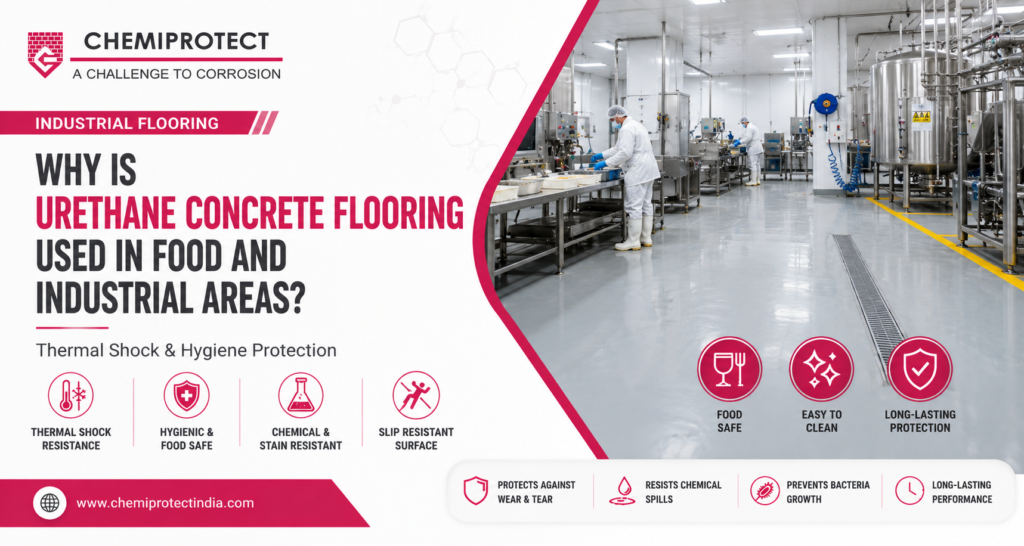
Urethane concrete flooring is a strong flooring solution used in industries where floors face moisture, temperature changes, heavy cleaning, chemicals, and daily traffic. Food processing units, dairies, commercial kitchens, cold storage areas, pharmaceutical plants, and wet production zones need floors that are tough, hygienic, and easy to maintain.
Normal concrete floors may crack, absorb water, or become difficult to clean in such areas. That is why many industries choose urethane concrete flooring for better floor protection. It offers strength, durability, moisture resistance, and long-term performance. CHEMIPROTECT provides reliable flooring solutions for industries that need safe and durable surfaces.
What Is Urethane Concrete Flooring?
Urethane concrete flooring is a heavy-duty flooring system made using polyurethane-based materials and cementitious components. It is designed to handle tough industrial conditions where normal flooring may fail.
This flooring system bonds strongly with concrete and creates a durable surface. It is especially useful in areas where floors face water, steam, hot washing, cold temperatures, and chemical cleaning.
Why Do Food and Industrial Areas Need Urethane Concrete Flooring?
Food and industrial areas need flooring that supports hygiene, safety, and strength. Floors in these places are often cleaned with water, steam, or chemicals. They may also face temperature changes due to hot processing or cold storage.
Urethane concrete flooring performs well in such conditions. It helps protect concrete from moisture damage, surface cracks, and chemical wear.
Common Flooring Problems in Food and Wet Areas
Water Absorption
Normal concrete can absorb water. This may lead to dampness, stains, and surface weakness.
Thermal Shock
Hot water cleaning or temperature changes can damage weak flooring systems.
Hygiene Issues
Rough or cracked floors can collect dirt and bacteria. This creates cleaning problems.
Surface Damage
Heavy movement, cleaning chemicals, and wet operations can damage normal floors over time.
What Are the Main Benefits of Urethane Concrete Flooring?
Urethane concrete flooring offers many benefits for demanding industrial environments. It is selected where durability and hygiene are both important.
Key Benefits of Urethane Concrete Flooring
Strong Moisture Resistance
This flooring system performs well in wet areas. It helps protect concrete from water and moisture-related damage.
Thermal Shock Resistance
Urethane concrete flooring can handle temperature changes better than many standard floor coatings. This makes it useful for hot wash areas and cold rooms. ell in wet areas. It helps protect concrete from water and moisture-related damage.
Better Hygiene
The smooth and sealed surface helps make cleaning easier. This supports hygiene in food, dairy, pharmaceutical, and kitchen areas.
Long-Term Durability
It is designed for heavy-duty use. With proper installation, it can support long service life and reduce repair needs.
Where Is Urethane Concrete Flooring Commonly Used?
Urethane concrete flooring is suitable for many industrial and commercial spaces. It is especially useful where water, cleaning, temperature changes, and hygiene are important.
Common application areas include:
- Food processing units
- Dairy plants
- Cold storage rooms
- Commercial kitchens
- Beverage industries
- Breweries
- Pharmaceutical units
- Laboratories
- Wet processing areas
- Packaging units
- Chemical processing areas
- Industrial washing zones
- Meat and seafood processing areas
These areas need floors that can handle tough use without frequent failure.
How Is PU Flooring Related to Urethane Concrete Flooring?
PU flooring means polyurethane flooring. Urethane concrete flooring is a type of PU-based flooring system made for heavy-duty industrial use. Both systems are known for durability, flexibility, and moisture resistance.
PU flooring is commonly used in areas where epoxy may not be the best option due to temperature changes, wet cleaning, or moisture exposure.
Why PU Flooring Is Useful in Wet Areas
PU flooring is useful because it offers:
- Good moisture resistance
- Better flexibility
- Easy cleaning
- Durable surface finish
- Resistance to regular washing
- Strong performance in hygiene areas
CHEMIPROTECT helps industries select suitable PU flooring systems based on the actual working condition.
What Is Polyurethane Floor Coating?
Polyurethane floor coating is a protective coating used to improve floor durability, flexibility, and resistance. It is applied on concrete floors where protection from wear, moisture, and cleaning chemicals is needed.
In some areas, polyurethane floor coating may be used as a protective finish. In heavy-duty wet areas, urethane concrete flooring may be a better option because it offers stronger performance.
Benefits of Polyurethane Floor Coating
Polyurethane floor coating can help with:
- Surface protection
- Moisture resistance
- Easy cleaning
- Better flexibility
- Improved appearance
- Reduced maintenance
- Protection from light chemical exposure
The right system depends on the floor condition and industrial use.
Urethane Concrete Flooring vs Epoxy Flooring: Which Is Better?
Both urethane concrete flooring and epoxy flooring are used in industries. However, both are suitable for different conditions.
Epoxy flooring is known for hardness, chemical resistance, dust control, and strong surface protection. It is useful for warehouses, factories, laboratories, garages, and general industrial floors.
Urethane concrete flooring is better for wet areas, hot water cleaning, cold storage, steam cleaning, and temperature changes. It is also preferred in food and dairy industries where hygiene and thermal shock resistance matter.
When Should You Choose Urethane Concrete Flooring?
You should choose urethane concrete flooring when the area has:
- Hot water cleaning
- Steam cleaning
- Wet processing
- Moisture-prone concrete
- Temperature changes
- Food-grade hygiene needs
- Cold storage conditions
- Heavy-duty washing
When Should You Choose Epoxy Flooring?
You should choose epoxy flooring when the area needs:
- Hard surface protection
- Dust-free finish
- Chemical resistance
- Smooth industrial flooring
- Heavy traffic support
- Easy cleaning
- Better appearance
Both flooring systems are useful. The best option depends on the site condition.
Is Industrial Epoxy Flooring Suitable for Food Areas?
Industrial epoxy flooring can be used in selected food and industrial areas. It provides a strong, smooth, and easy-to-clean surface. However, in areas with regular hot water washing or thermal shock, urethane concrete flooring may perform better.
Industrial epoxy flooring is suitable for dry processing areas, packaging rooms, storage spaces, laboratories, and general production floors.
Role of Epoxy Floor Coating
Epoxy floor coating protects concrete floors from dust, stains, oil, moisture, and surface damage. It creates a clean and professional finish. However, it should be selected according to the working condition of the area.
For wet and temperature-changing areas, CHEMIPROTECT can guide industries on whether epoxy floor coating, PU flooring, or urethane concrete flooring is the right choice.
Why Surface Preparation Matters Before Urethane Concrete Flooring
Surface preparation is very important for the success of any flooring system. If the surface is weak, oily, dusty, or damaged, the flooring may not bond properly.
Before applying urethane concrete flooring, the floor should be inspected and prepared correctly.
Basic Surface Preparation Steps
- Clean the floor properly
- Remove oil, grease, and dust
- Repair cracks and damaged areas
- Remove weak concrete
- Check moisture condition
- Prepare the surface mechanically
- Follow the correct application method
Proper surface preparation helps improve bonding and long-term performance.
How to Maintain Urethane Concrete Flooring
Urethane concrete flooring is easy to maintain when cleaned properly. Regular care helps increase floor life and supports hygiene.
Simple Maintenance Tips
- Clean spills quickly
- Use suitable cleaning chemicals
- Follow regular cleaning schedules
- Avoid dragging sharp metal items
- Repair damaged areas early
- Keep drains clean
- Inspect high-traffic zones regularly
These simple steps help keep the floor safe, clean, and durable.
Why Choose CHEMIPROTECT for Urethane Concrete Flooring?
CHEMIPROTECT provides reliable flooring and coating solutions for industrial and commercial areas. The company understands that food, dairy, pharmaceutical, chemical, and wet processing areas need strong floors that support hygiene and durability.
CHEMIPROTECT offers suitable solutions for urethane concrete flooring, PU flooring, polyurethane floor coating, epoxy flooring, industrial epoxy flooring, and epoxy floor coating. With proper product selection and application guidance, industries can protect floors from moisture, temperature changes, and daily wear.
Final Thoughts
Urethane concrete flooring is a strong choice for food and industrial areas where moisture, cleaning, temperature changes, and hygiene are important. It performs well in dairies, food processing units, cold storage rooms, commercial kitchens, pharmaceutical plants, and wet production zones.
For industries that need long-lasting, hygienic, and moisture-resistant floors, urethane concrete flooring can be a smart investment. CHEMIPROTECT helps businesses select the right flooring system for strong protection and better long-term performance.
FAQs About Urethane Concrete Flooring
1. What is urethane concrete flooring used for?
Urethane concrete flooring is used in food processing units, dairies, cold storage rooms, commercial kitchens, pharmaceutical plants, laboratories, wet processing areas, and industrial spaces where moisture, cleaning, and temperature changes are common.
2. Is urethane concrete flooring better than epoxy flooring?
Urethane concrete flooring is better for wet areas, hot water cleaning, steam cleaning, cold storage, and temperature changes. Epoxy flooring is better for hard surface protection, dust control, and general industrial floor protection.
3. What is the difference between PU flooring and urethane concrete flooring?
PU flooring is a general term for polyurethane flooring systems. Urethane concrete flooring is a heavy-duty PU-based system designed for tough industrial areas, especially wet and temperature-changing environments.
4. Can polyurethane floor coating be used in industrial areas?
Yes, polyurethane floor coating can be used in industrial areas where flexibility, moisture resistance, and surface protection are needed. The right system depends on traffic, cleaning method, moisture level, and chemical exposure.
5. Why choose CHEMIPROTECT for urethane concrete flooring?
CHEMIPROTECT provides reliable solutions for urethane concrete flooring, PU flooring, polyurethane floor coating, epoxy flooring, industrial epoxy flooring, and epoxy floor coating. The company helps industries choose suitable flooring systems for hygiene, durability, and long-term protection.
Let’s Blog
Latest Blog
When used with chemical resistant masonry units and the proper membrane MIPRO-VE will protect concrete and steel sub base from chemical attacks and physical abuse. MIPRO-VE is silica filled vinyl ester mortar supplied in two parts .
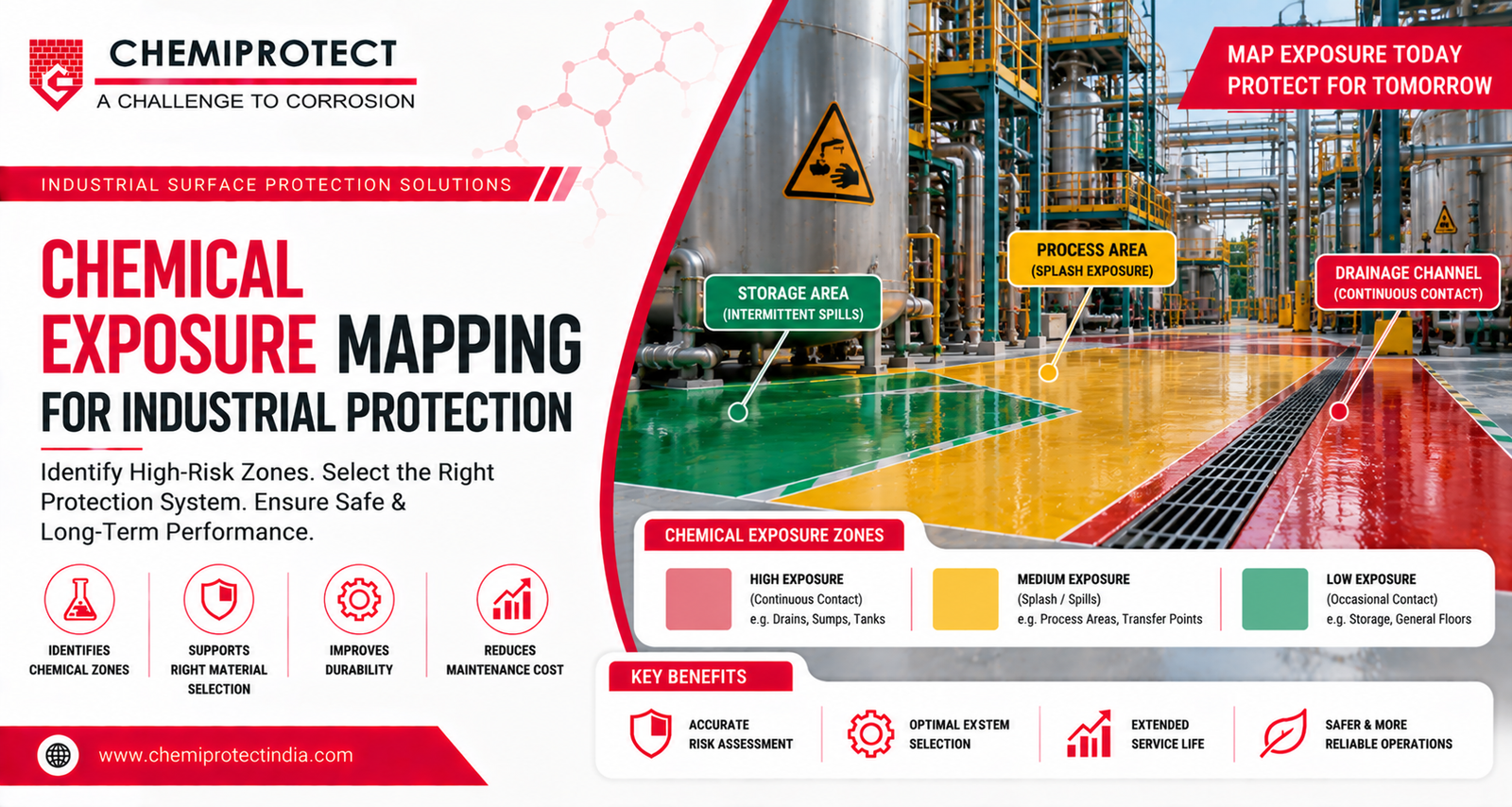
Chemical Exposure Mapping for Industrial Protection
October 6, 2026
What Is Chemical Exposure Mapping? Industrial
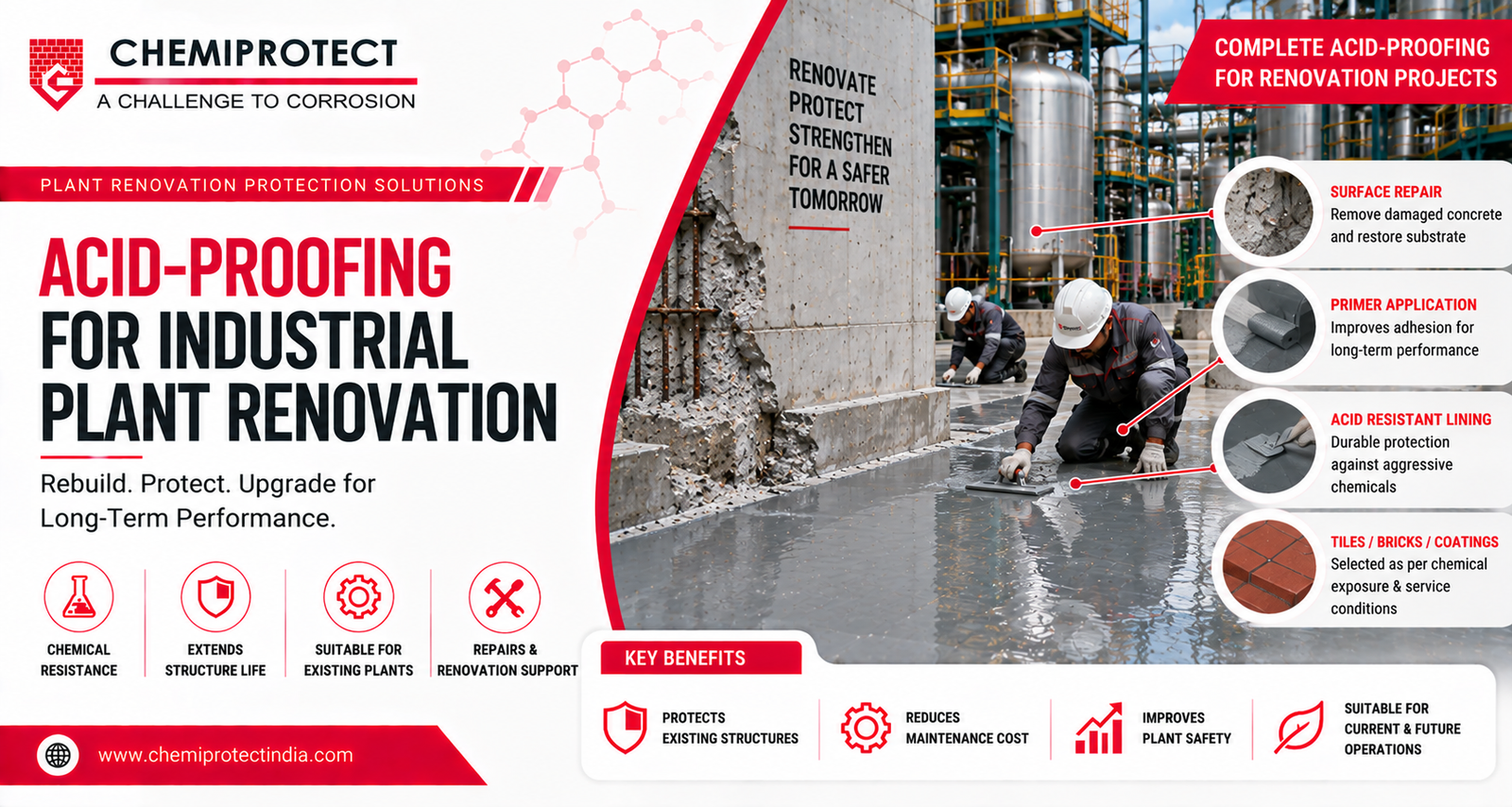
Acid-Proofing for Industrial Plant Renovation
October 3, 2026
Why Acid-Proofing Needs a Renovation-Specific Approach